Where Interior Designers Actually Get Clients in 2026
(Beyond Instagram)
For the better part of a decade, Instagram has been positioned as the place interior designers get clients. Post consistently. Show the pretty work. Use the right hashtags. Wait for the DMs.
And while Instagram still has a role, here’s the truth designers are quietly realizing in 2026: most serious, high-quality clients are not hiring designers based on social media alone anymore.
They’re hiring based on trust, credibility, and proximity — to their values, their lifestyle, and their moment in life. That trust is being built in places that don’t always look flashy, don’t always trend, and definitely don’t reward daily posting.
So if you’ve been wondering where clients are actually coming from now (and how to position your business accordingly), this is where designers are seeing real traction.
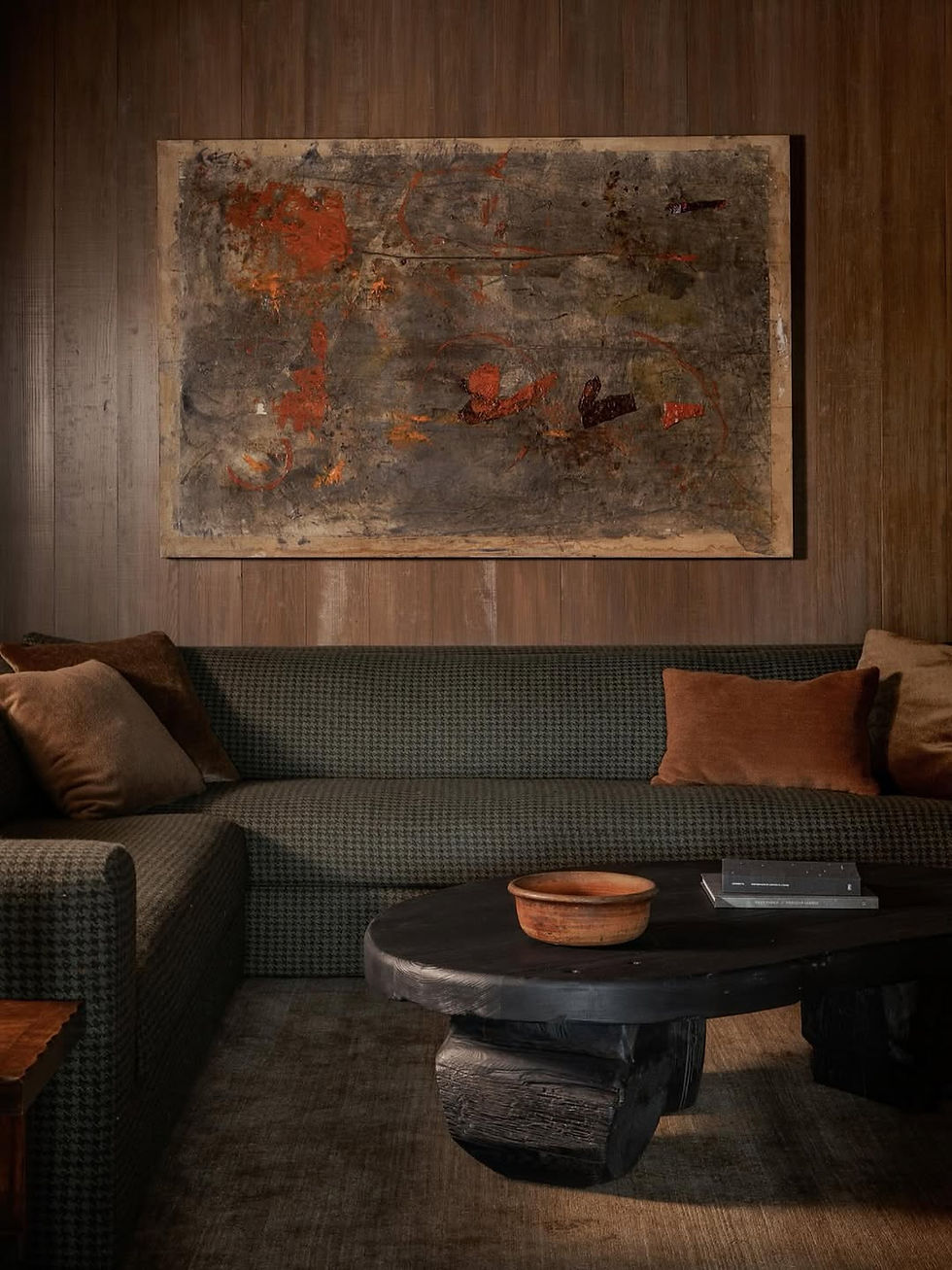
Design: Sean Anderson Design | Photography: Haris Kenjar
Your Website Is No Longer a Portfolio. It’s a Sales System
In 2026, a designer’s website isn’t just a place to host pretty images. It’s doing the heavy lifting Instagram used to do — and then some.
Clients are spending more time on websites than they were even two years ago. They’re reading. Comparing. Looking for clarity around process, pricing expectations, communication style, and what it actually feels like to work with you. A beautiful portfolio might get them in the door, but clear messaging closes the loop.
Designers booking consistently right now have websites that answer unspoken questions before a discovery call ever happens. They explain how projects unfold. They outline what makes their approach different. They don’t bury their expertise under vague language or aesthetic-only storytelling.
If your site still assumes Instagram will “fill in the gaps,” you’re likely losing warm leads who want reassurance, not inspiration.
Referrals Have Evolved, and They’re More Strategic Than Ever
Referrals still matter, but in 2026 they’re less accidental and more intentional.
Designers who rely on referrals alone often feel like their business is either booming or terrifyingly quiet. The shift happening now is designers building referral ecosystems instead of waiting to be mentioned casually.
That means nurturing relationships with builders, architects, realtors, landscape designers, and even niche service providers like organizers or art consultants — and doing it in a way that’s mutually beneficial.
Designers are sharing clear talking points about their services, ideal client, and process so referral partners know exactly who to send their way.
The designers seeing the most consistent referrals aren’t the ones networking the hardest — they’re the ones communicating their value the clearest.
SEO Is Quietly Doing What Social Media Can’t
SEO doesn’t feel glamorous, but it’s one of the most reliable client sources designers are leaning into in 2026.
Clients searching for “interior designer near me” or “modern coastal designer in Charleston” aren’t browsing for fun. They’re actively looking to hire. Designers with even a handful of strategic blog posts and service pages optimized for search are capturing demand that Instagram never touches.
What’s changed is that SEO content doesn’t need to be stiff or keyword-stuffed. The best-performing content reads like a thoughtful conversation — walking a potential client through decisions, expectations, and common mistakes before they ever reach out.
If you’ve been creating content purely for peers or social engagement, SEO is where your expertise can start working for you long-term.

Design: Norris Studio | Photography: Ethan Herrington
Email Lists Are Becoming the Most Underrated Asset in Design
Email is quietly having a renaissance — and not in a salesy, newsletter-blast way.
Designers who maintain even a modest email list are building trust over time with people who already opted in. These aren’t passive followers scrolling past your work; they’re homeowners, builders, and collaborators who want to hear from you.
In 2026, designers are using email to share thoughtful project insights, behind-the-scenes decisions, and perspective on how they approach design — not just announcements. That consistency creates familiarity, and familiarity drives inquiries when the timing is right.
Instagram may introduce you. Email keeps you remembered.
Local Visibility Is Outperforming Global Reach
As algorithms push content further into noise, designers are refocusing on local relevance over broad visibility.
Being featured in local publications, collaborating with regional brands, speaking at community events, or contributing expertise to local organizations is translating directly into projects. Clients trust designers who feel embedded in their world and who understand the architecture, regulations, climate, and lifestyle of where they live.
This doesn’t mean abandoning online presence. It means pairing it with real-world credibility that makes your name recognizable beyond a screen.
Client Experience Is Becoming a Marketing Channel
One of the biggest shifts in 2026 is this: how you run your business is now part of how you market it.
Clients talk. Vendors talk. Builders talk. Designers with clear processes, professional communication, and polished touchpoints are being recommended because they’re easy to work with — not just because their work looks good.
Everything from your inquiry response to your proposals to your final goodbye packet is reinforcing your brand. Designers who invest in systems and client experience aren’t just reducing stress — they’re generating organic demand without constantly chasing visibility.

Design: Oho Interiors | Photography: Judith Marilyn
So… Is Instagram Still Worth It?
Yes — but not as the foundation.
In 2026, Instagram works best as a supporting channel, not a primary lead generator. It reinforces credibility, shows personality, and keeps your brand visible, but it rarely carries the full weight of conversion anymore.
Designers booking consistently are building layered visibility: a strong website, search-friendly content, referral relationships, thoughtful email communication, and a client experience that people want to talk about.
Instagram is just one touchpoint in a much bigger picture.
The designers thriving right now aren’t louder. They’re clearer. They’re not chasing every platform, but instead they’re building trust where it compounds. And they’re designing businesses that attract clients before a DM ever gets sent.
If you’ve been feeling like Instagram isn’t delivering what it used to, you’re not behind — you’re just ready for what’s next. And 2026? It’s all about building a brand that works even when you’re offline.


