The Interior Designer’s Guide to a Better Discovery Call
Before the moodboards, sourcing, and install days, there’s one conversation that shapes the entire client experience: the discovery call.
A strong discovery call should feel approachable, informative, and intentional. It’s your opportunity to learn about the client, explain your process, establish expectations, and determine whether the project is the right fit for both of you. The goal isn’t to “sell” your services as much as it is to create clarity and confidence.
When done well, a discovery call becomes the foundation for a smoother project, stronger communication, and better client relationships from the start.

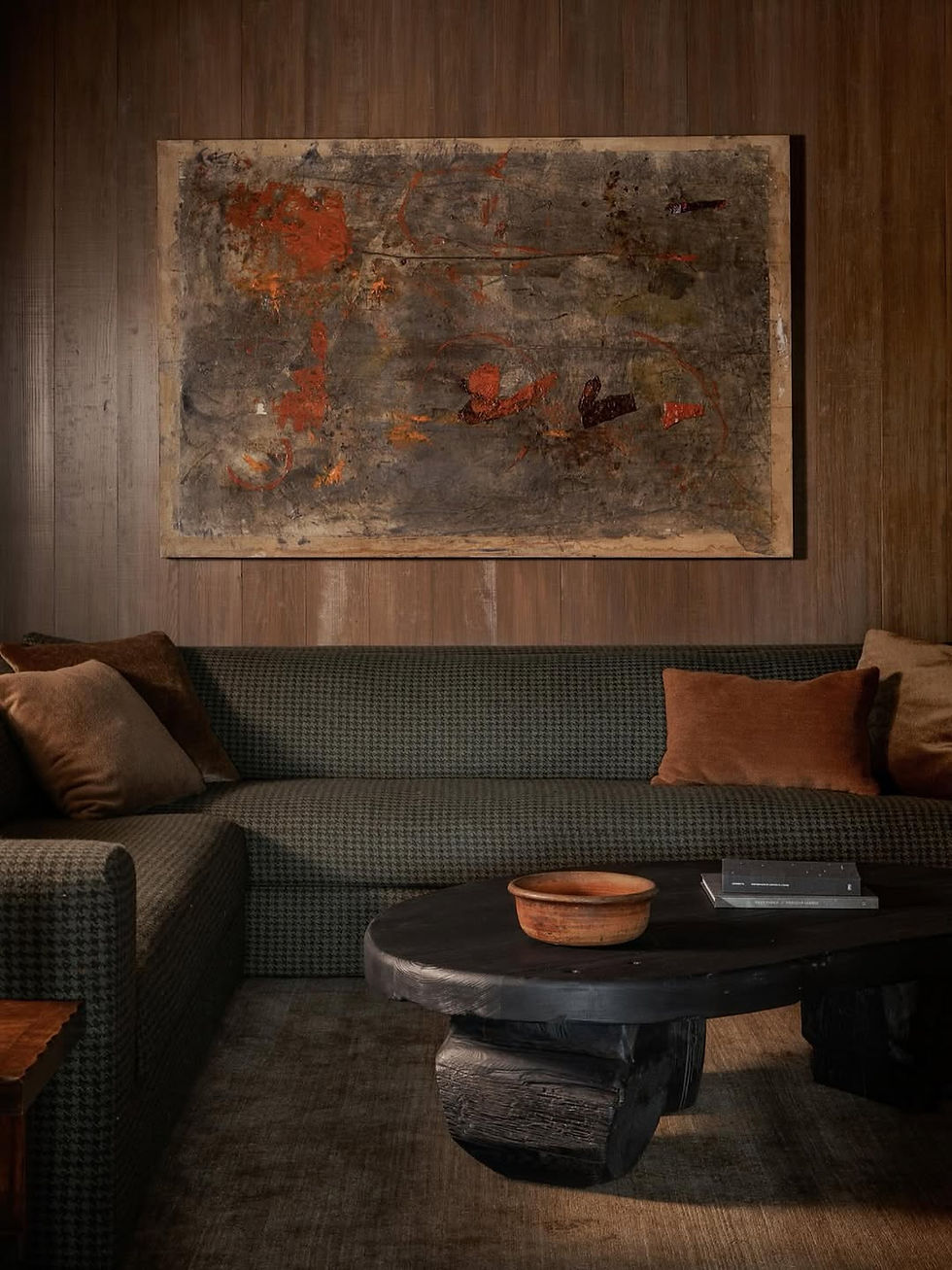
Design: Crystal Palecek Interiors / Photography: Jessica Burke
Start Before the Discovery Call Even Begins
The best discovery calls are supported by a thoughtful intake process. If you walk into the call already understanding the basics of the project, you can spend less time gathering surface-level details and more time having a meaningful conversation.
Before the call, consider collecting:
Project scope and timeline
Budget range
Inspiration images or Pinterest boards
Key pain points in the home
Basic information about the household and lifestyle
This helps you guide the conversation strategically while also creating a more polished experience for the client.
Focus on Connection First
Clients are hiring more than your design expertise. They’re hiring someone they’ll communicate with for months throughout a deeply personal process.
Instead of jumping immediately into credentials or services, begin the call conversationally. Ask how they found you, what prompted the project, or what they’re most excited about. A few minutes of natural connection can immediately put clients at ease and build trust.
From there, let the client lead the first portion of the conversation. Ask open-ended questions that help you understand not only the project itself, but how they want their home to feel and function.
A few strong questions include:
What’s currently not working in the space?
How do you want your home to feel when the project is complete?
Have you worked with a designer before?
What does a successful outcome look like to you?
Often, the most valuable information comes from simply listening carefully.

Design: J. Patryce & Co | Photo: Tim Lenz
Clearly Explain Your Process
Once you understand the project, shift into explaining how you work. For many clients, hiring an interior designer is unfamiliar territory. A clear process helps eliminate uncertainty and builds confidence quickly.
You don’t need to overcomplicate this section. Instead, walk them through the general client experience in a way that feels organized and easy to understand.
Touch on:
Your phases of work
Communication expectations
Procurement and ordering
Typical project timelines
Meetings and presentations
What makes your process unique
This is also the right time to establish boundaries. Clear expectations around communication, revisions, timelines, and purchasing help create healthier projects later on.
The discovery call should leave clients feeling reassured, not overwhelmed.
Don’t Avoid the Budget Conversation
Budget conversations can feel uncomfortable, but they’re an essential part of a productive discovery call. Avoiding the topic early often creates larger issues later.
Rather than putting clients on the spot with a simple “What’s your budget?” frame the conversation collaboratively. Help them understand realistic investment ranges based on the scope of work they described.
For example:
“Projects similar to this typically fall within this range depending on furnishings, construction, and overall scope.”
Approaching the conversation this way feels informative rather than transactional. Transparency helps clients make informed decisions while also protecting your time and process.

Design: Olivia Williams Studio | Photography: David Mitchell
End with a Clear Next Step
One of the biggest mistakes designers make is ending the discovery call too vaguely. Clients should leave knowing exactly what happens next and when they can expect to hear from you.
Your next step might include:
Sending a proposal
Scheduling an in-home consultation
Providing a pricing guide
Requesting additional project details
Whatever the next phase looks like, communicate it clearly and confidently.
A simple close like:
“I’ll send over your proposal by Friday with scope, investment, and next steps.”
…creates momentum and professionalism immediately.
End with a Clear Next Step
Ultimately, your discovery call is a preview of what it feels like to work with you. If the experience feels organized, thoughtful, warm, and clear from the very beginning, clients naturally trust the process moving forward.
The best discovery calls don’t feel overly scripted or overly sales-focused. They feel guided. They feel collaborative. And most importantly, they help clients feel understood before the design work even begins.